Spotting Chimney Damage Before Winter: A Homeowner's Guide
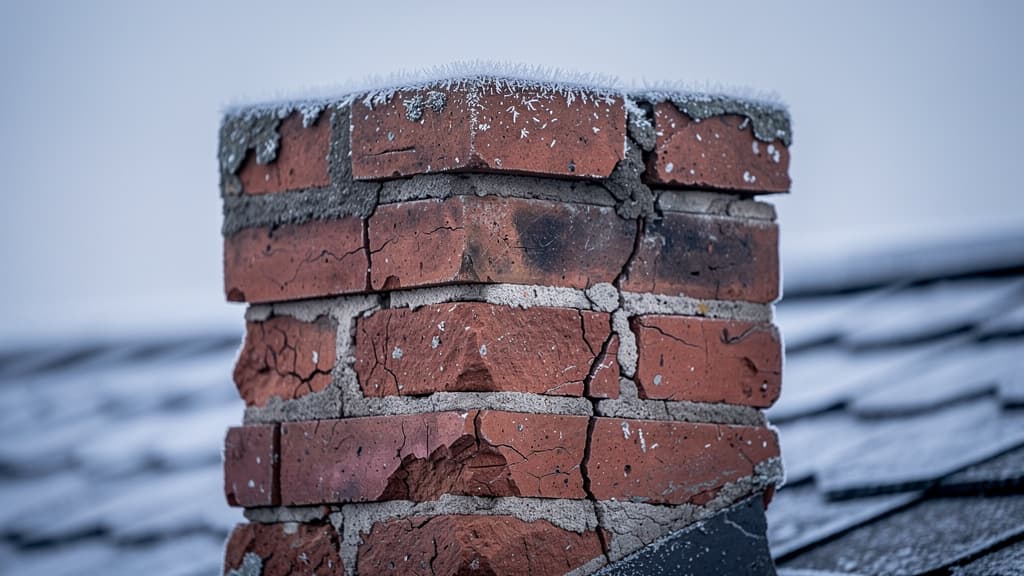
In Connecticut, water and cold are a chimney's worst enemies, and they work together. Moisture seeps into brick, stone, and mortar; then it freezes, expands, and pries the masonry apart a little more with every cycle. Over a single hard winter, a small crack can become a real problem. That's why fall is the best time to look your chimney over and fix anything minor before the freeze-thaw season does its damage.
You don't need to climb on the roof. A careful look from the ground (binoculars help) and a check of the firebox will catch most issues. Here's what to look for.
1. Cracked or missing mortar joints
Scan the visible mortar between the bricks. Healthy joints are solid and flush. Warning signs are joints that are cracked, crumbling, or recessed, or gaps where mortar has fallen out entirely. Once water can sit in an open joint and freeze, deterioration accelerates fast. This is the single most common, and most fixable, issue we see. The fix is repointing before winter, not after.
2. Spalling or flaking brick
Spalling is when the face of a brick flakes, crumbles, or pops off, often leaving a pitted or powdery surface. It's a direct symptom of trapped moisture freezing inside the brick. A few spalled bricks are a signal to act; widespread spalling can mean water has been getting in for a while and the masonry needs more than a surface fix.
3. A damaged crown or cap
The crown is the sloped concrete top of the chimney. The cap is the metal cover over the flue opening. Together they keep rain, snow, leaves, and animals out. From the ground, look for:
- Cracks in the concrete crown.
- A missing, rusted, or dislodged cap.
- Birds, squirrels, or nesting debris around the top.
A cracked crown or missing cap lets water pour straight into the chimney's core, one of the most damaging (and overlooked) problems there is.
4. White staining (efflorescence)
A chalky white residue on the exterior brick is efflorescence: mineral salts left behind as water evaporates out of the masonry. It's not just cosmetic; it's a clear sign that water is moving through the wall when it shouldn't be. Efflorescence usually means it's time to find the leak and consider breathable waterproofing.
5. Rust, stains, and a damp firebox
Step inside and look at the firebox and damper. Rust on the damper or firebox, water stains on the walls or ceiling near the chimney, or a musty, damp smell all point to water getting in. Left alone over winter, that moisture freezes, expands, and works on the masonry from the inside.
6. A leaning or shifting chimney
Step back and look at the chimney against the line of the house. Any visible lean, bow, or separation from the wall is a structural red flag, usually caused by a failing crown, footing, or long-term water damage. This one isn't a wait-and-see item; have it evaluated promptly.
What you can do yourself vs. when to call
Homeowner-friendly steps before winter:
- Keep the cap clear of leaves and debris.
- Burn only dry, seasoned wood to limit creosote.
- Note anything from the checklist above and photograph it.
Call a professional when you see cracked or missing mortar, spalling brick, a damaged crown or cap, efflorescence, water in the firebox, or any sign of leaning. These are exactly the problems that get dramatically worse, and more expensive, once the freeze-thaw cycle sets in.
Beat the freeze
A short inspection in the fall, plus a few small repairs, can save you from a major rebuild come spring. If your chimney is showing any of these warning signs, schedule an evaluation with Champs Masonry & Chimney before the cold arrives. We'll give you a straight assessment and get you ready for winter.