Connecticut's Masonry Legacy: Restoring Historical Charm
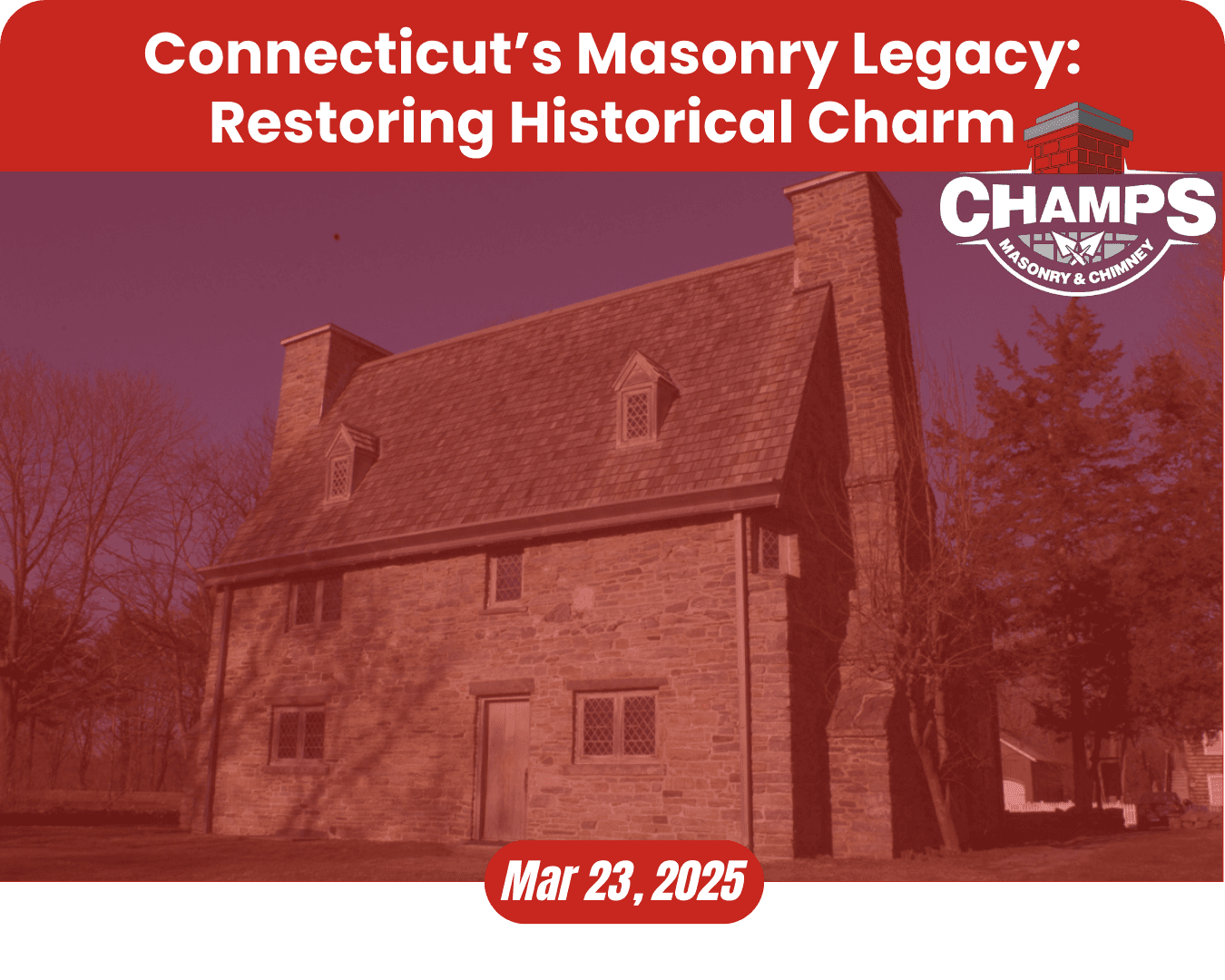
Connecticut's rich architectural history is reflected in its masonry structures—stone walls, brick homes, and colonial-era churches—that have stood the test of time. The craftsmanship of early Connecticut masons helped shape the state's identity, blending European techniques with locally sourced materials. Preserving these historical structures is essential not only to maintain their beauty but also to protect the story of Connecticut's architectural past.
The History of Masonry in Connecticut
Masonry in Connecticut dates back to the early 1600s when settlers began building homes, churches, and town centers using local fieldstone, granite, and limestone. Dry-stacked stone walls became a common feature of rural landscapes, marking property lines and dividing farmland. Brick became more prevalent in the 18th century, especially in coastal towns where trade routes made it easier to import clay and other raw materials.
Connecticut's architectural evolution is visible in its masonry styles. Colonial homes often featured large stone chimneys and hand-hewn stone foundations, while Federal and Georgian-style buildings incorporated red brick facades with decorative mortar joints. The state's historic town greens and cobblestone streets reflect the skilled labor and attention to detail that defined early Connecticut masonry.
Challenges in Restoring Connecticut's Historical Masonry
While Connecticut's masonry structures were built with durability in mind, they face natural aging and weather-related challenges. Freeze-thaw cycles, moisture infiltration, and shifting foundations can cause bricks to crack, mortar to crumble, and stone walls to lean or collapse.
Restoring historical masonry requires a delicate balance of preserving original materials and reinforcing structural integrity. Modern cement mortars are often incompatible with older brick and stone, causing further damage over time. Professional masons specializing in historical restoration use lime-based mortars and hand-matched materials to ensure authenticity and long-term stability.
Key Aspects of Historical Masonry Restoration
Preserving Connecticut's masonry legacy involves more than patching cracks—it requires a deep understanding of traditional methods and materials. Skilled masons carefully analyze the structure's original construction to replicate its historical character while reinforcing its strength. Core restoration techniques include:
- Repointing: Removing and replacing deteriorated mortar using lime-based materials to match the original texture and color.
- Brick and Stone Repair: Carefully selecting replacement bricks and stones to blend seamlessly with the original structure.
- Structural Reinforcement: Strengthening foundations and walls while preserving historical design elements.
- Waterproofing: Applying breathable sealants to protect against moisture without trapping it inside the masonry.
Trust Champs Masonry & Chimney for Expert Restoration
Preserving Connecticut's masonry legacy requires expertise and attention to detail. At Champs Masonry & Chimney, we specialize in historical masonry restoration, using time-tested techniques and authentic materials to protect the architectural integrity of your home or building. From repointing brick walls to repairing colonial-era stone foundations, our team has the knowledge and skill to restore your property with care and precision.
Protect your piece of Connecticut's history. Schedule a consultation with Champs Masonry & Chimney and preserve the beauty and strength of your masonry for generations to come.